
Computer science is the study of computation, algorithms, data structures, and computer systems. Since the mid-20th century, it has helped power smartphones, the internet, cloud services, and artificial intelligence.
Core computer science concepts include algorithms, data structures, computer architecture, operating systems, programming languages, and computer networks.
Major branches include artificial intelligence, cybersecurity, data science, database systems, computational science, cloud computing, and human computer interaction..
Common career paths include software developer, data scientist, systems engineer, cloud engineer, information security analyst, and information research scientist.
Modern computer science research spans theory, such as computational limits and algorithm design, and applications, such as robotics, web services, and cloud platforms.
According to U.S. Bureau of Labor Statistics data, computer science professionals remain in high demand through the 2030s, with 2024 median wages for computer and information technology occupations well above many other fields.
The rest of this guide explains the key concepts, skills, education routes, and careers for aspiring computer scientists.
Why Computer Science Matters Today

Computer science is behind the tools people use in everyday life: search engines, social media feeds, online banking, streaming platforms, AI assistants, and the cloud services that keep businesses running. As of 2026, the growth of generative artificial intelligence tools, large-scale data science in healthcare and finance, and global remote work all depend on reliable computing systems.
At its simplest, computer science is the study of computation, algorithms, and the design of hardware and software systems. It is not the same as simply using computers. A user opens an app; a computer scientist asks how the app stores a data set, how fast it responds, how secure it is, and how the computer works underneath.
Nearly every digital device, from embedded controllers in cars to global data centers, relies on operating systems, computer networking, and computer architecture. This article covers the field’s core concepts, branches, differences from information technology, essential skills, education options, and typical job roles.
What Is Computer Science?

Computer science is the study of algorithms, data structures, and computer systems, including their theory, design, implementation, and impact on society. A useful formal definition is that computer science focuses on how computation can be used to solve problems through software, computer hardware, and computational systems.
Hardware and software work together. Computer architecture defines processors, memory, storage, and instruction sets. Operating systems manage memory, files, and processes. High-level programming languages let people write code that becomes software programs executed by machines.
The field includes theory, such as computability, complexity, discrete mathematics, and mathematical models, as well as practical areas such as software engineering, database systems, secure coding, and computer networks. Computer scientists study what computers can and cannot do, then build real systems such as databases, web services, AI models, and new software.
A computer programmer usually focuses on computer programming and implementation. Computer scientists also design algorithms, analyze performance, evaluate tradeoffs between software and hardware, and understand why one approach scales better than another.
Etymology, Scope, and Academic Perspective

The term computer science emerged in the late 1950s and 1960s as universities in the U.S. and Europe began creating early programs. The discipline grew from mathematics, electrical engineering, hardware design, and early stored-program computers.
Alternative names such as computing science, informatics, and datalogy emphasize that the field is about information, data, and computation-not just physical machines. Today, computer science research connects with physics through quantum computing, biology through bioinformatics, and social science through ethics and human computer interaction.
There is still debate about whether computer science is mainly science, mathematics, or engineering. In practice, it blends all three. Science research may test systems experimentally, theory may prove limits formally, and engineering may focus on creating solutions that work reliably at scale.
Computer science professionals often publish major work in conferences, especially in machine learning, systems, and programming languages. This reflects the field’s fast pace and constant arrival of new technologies.
Epistemology and Paradigms in Computer Science
Computer science builds knowledge in several ways. Some areas are proof-based, some are engineering-driven, and others are empirical.
In the rationalist view, researchers prove properties of algorithms, data structures, cryptographic systems, and programming languages. They may treat object oriented programming, functional programming, type systems, and algorithmic processes as formal systems that can be reasoned about mathematically.
In the engineering view, practitioners design and test complex computer systems in the same way engineers test bridges or aircraft. Distributed systems, cloud infrastructure, and computer networks must be reliable, scalable, and efficient.
In the empirical view, researchers build systems, run benchmarks, conduct usability tests, and analyze data. Artificial intelligence engineers, HCI researchers, and data scientists often compare results across experiments to improve models or interfaces.
Most modern work combines all three. Training a large machine learning model requires theory, systems analysis, cloud architecture, data analysis, software design, and careful experimentation.
The Core Concepts of Computer Science

The first years of a computer science degree usually teach the foundations learners need before specializing. These topics also help anyone learning computer science through bootcamps, online courses, or helpful resources.
Algorithms are step-by-step methods for solving problems. Sorting a million records, routing packets across the internet, or recommending a movie all require algorithms that are correct and efficient.
Data structures organize information so software can store and retrieve it quickly. Common examples include arrays, linked lists, hash tables, and trees. Choosing the right structure can make the difference between a slow app and a system that handles millions of users.
Programming languages are used to express solutions. Python is a popular programming language for data science and automation; Java and C++ are common in enterprise and systems work; JavaScript powers web development and app design. Beginners first learn basic syntax, then build stronger programming skills over time.
Software development turns ideas into usable products. It includes planning, developing software, software testing, debugging, Git version control, deployment, and maintenance on real computer systems such as cloud servers.
Operating systems manage memory, files, processes, and devices on laptops, phones, and servers. Windows, macOS, Linux, Android, and iOS all coordinate software and hardware so applications can run.
Computer architecture explains how CPUs, caches, memory, storage, and instruction sets such as x86-64 and ARM affect performance, energy use, and system design. It helps developers understand why code behaves differently across machines.
Computer networks use protocols such as TCP/IP, DNS, and HTTP to let machines communicate worldwide. They form the backbone of the internet, cloud platforms, remote work, and modern software systems.
Major Branches and Fields of Computer Science

Computer science includes many specialized fields, from theoretical work to highly applied areas such as mobile apps and video game development.
Artificial intelligence and machine learning focus on systems that recognize patterns, make predictions, generate code, process natural languages, and support decisions. Since 2020, large language models, recommendation systems, image generators, and computer vision for autonomous vehicles have become major examples.
Data science and databases focus on collecting, storing, querying, and interpreting data. A data scientist may analyze data with SQL, Python, statistics, and visualization tools, while database specialists design database systems that keep information consistent, searchable, and secure.
Cybersecurity protects software systems, operating systems, computer networks, and cloud services from ransomware, data breaches, and supply-chain attacks. Roles in this field use encryption, monitoring tools, threat modeling, and secure coding.
Systems and cloud computing cover distributed systems, containers, Kubernetes, Docker, serverless platforms, and cloud services. These systems host applications, store data, and keep global products available.
Human-computer interaction studies how people use software, devices, and interfaces. Researchers test mobile apps, VR systems, accessibility features, and workflows to make technology easier and safer to use.
Computational science uses high-performance computing to model climate, pandemics, physics, chemistry, and engineering problems. These projects often run on supercomputers or GPU clusters.
Theoretical computer science studies automata theory, complexity classes such as P vs. NP, cryptography, and computational limits. These ideas support modern encryption and help explain which challenging problems are realistically solvable.
Computer Science vs. Information Technology (and Related Fields)

Computer science and information technology are closely related, but they are not identical. Computer science focuses on designing, analyzing, and building systems. IT focuses on deploying, managing, and supporting existing technology.
A computer science professional might create a new algorithm, implement software, optimize data structures, or improve performance in computer systems. An IT specialist might configure servers, maintain networks, support users, patch operating systems, or work as a computer systems administrator.
Software engineering overlaps with computer science, but it emphasizes large-scale project planning, reliability, testing methods, and maintainable delivery. Computer science supplies the theory and algorithmic foundations.
Computer engineering leans more toward hardware, embedded systems, and electrical engineering. Information systems focuses more on business uses of technology.
Key Skills Needed in Computer Science

Successful computer scientists and developers combine technical knowledge with problem solving, critical thinking, and communication.
Problem-solving means breaking large tasks into smaller steps. For example, designing a recommendation engine might involve collecting data, cleaning it, choosing features, training a model, testing results, and deploying it.
Analytical thinking helps professionals compare tradeoffs. A faster algorithm may use more memory; a simpler design may be easier to maintain; a secure system may require extra processing.
Programming proficiency is essential for many careers. Most roles expect at least one high-level language such as Python or Java, plus experience with debugging tools, testing frameworks, and version control.
Algorithms and data structures help professionals design software that scales to large datasets or millions of users without wasting time or memory.
Systems knowledge matters too. Understanding computer architecture, operating systems, and computer networking helps diagnose performance, reliability, and security issues.
Communication is also part of the job. Computer science professionals work with designers, product managers, executives, and users, so they must explain technical decisions clearly.
Finally, continuous learning is non-negotiable. AI frameworks, programming languages, cloud platforms, and development tools changed dramatically from 2015 to 2026, and they will keep changing.
Common Career Paths in Computer Science

Many careers are open to people with strong computer science fundamentals, even when job titles vary by company or industry.
A software developer or software engineer builds applications, APIs, websites, internal tools, and platforms. Work environments include startups, agencies, product companies, and large tech firms.
A data scientist uses statistics, programming, and domain knowledge to analyze data, build predictive models, and communicate insights in fields such as healthcare, finance, retail, and government.
A machine learning engineer turns models into production systems. This role often involves training pipelines, model deployment, monitoring, and optimization.
A cybersecurity analyst protects networks, applications, and cloud environments. The related information security analyst role is among the fastest-growing computer occupations according to recent BLS labor statistics.
A systems engineer or site reliability engineer keeps infrastructure reliable. These roles focus on uptime, monitoring, automation, incident response, and performance.
A cloud engineer designs and manages architectures using platforms such as AWS, Azure, or Google Cloud. Cost control, security, and scalability are major responsibilities.
A database administrator designs schemas, tunes queries, manages backups, and protects critical data. This role is essential wherever information must be accurate and available.
A computer and information research scientist works in labs, universities, or research divisions, often advancing algorithms, AI, systems, or theoretical methods.
Entry-level roles such as junior software developer, QA engineer, or computer programmer can be stepping stones to specialized positions. Because computer science skills apply across finance, healthcare, entertainment, education, and government, there are many careers and paths to explore.
Educational Paths: Degrees, Bootcamps, and Self-Learning
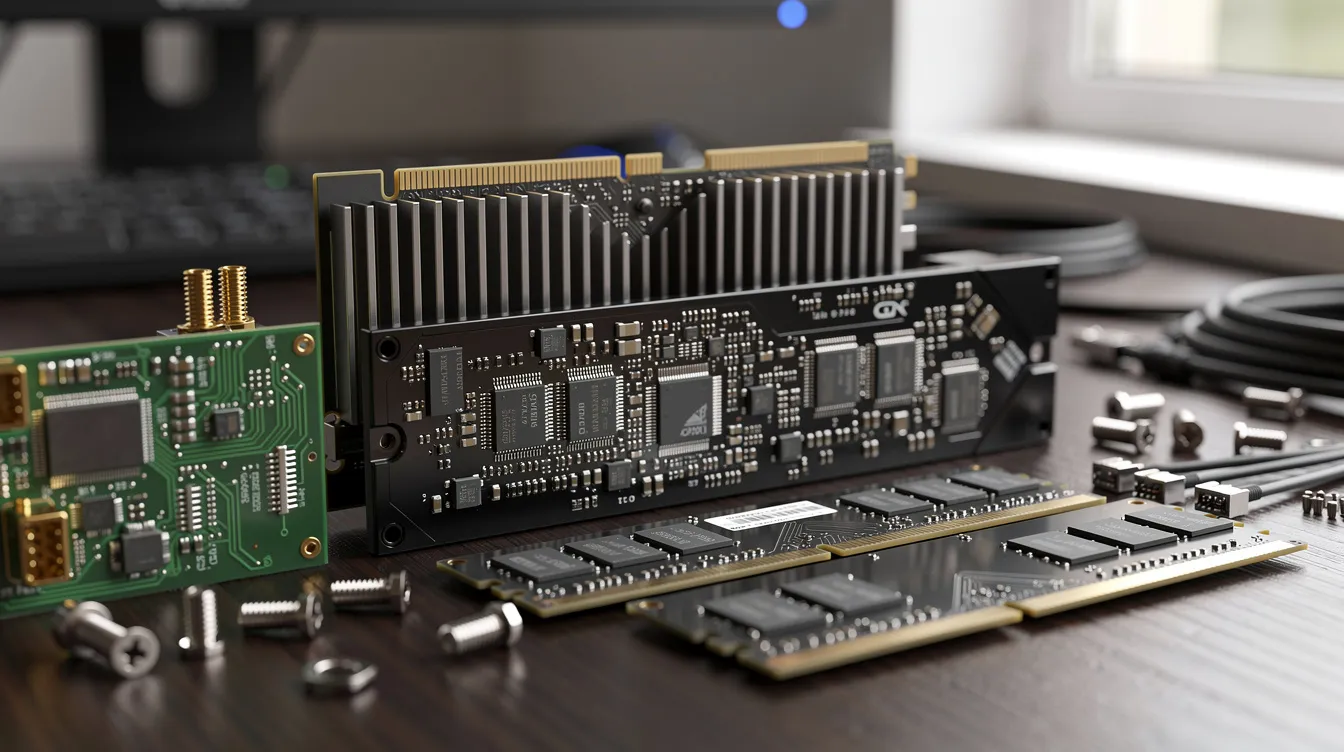
There are several ways to learn computer science, including degrees, bootcamps, self-study, certifications, and open source projects.
A typical path includes an associate degree, bachelor’s degree, or master’s degree. A bachelor’s computer science degree often takes about four years and covers algorithms, data structures, operating systems, computer networks, databases, artificial intelligence, and software development.
Many universities expanded programs in the 2010s and 2020s because demand for computer science professionals rose. Some schools also teach computer science earlier, making it possible for a high school student to start with introductory programming.
Bootcamps and online programs can prepare learners for focused roles such as web developer or junior software engineer in less time. They are especially useful for career changers who want practical, hands on experience.
Certifications in cloud computing, cybersecurity, and data science can support a resume, but they work best as complements to core computer science knowledge.
Is Computer Science a Good Career Choice?

Computer science can be a strong career choice for people who want stability, flexibility, and long-term relevance. Digital infrastructure, AI, cloud services, cybersecurity, and data-driven products continue to expand.
The U.S. Bureau of Labor Statistics reports that computer and information technology occupations are projected to grow much faster than average from 2024 to 2034. In May 2024, the median annual wage for this group was $105,990, far above the median for all occupations in the U.S.
Mid-level roles such as software developers, data scientists, cloud engineers, and information security analysts tend to earn above national median wages. Salaries vary by location, industry, skill level, and specialization.
There are real concerns. Entry-level roles can be competitive, and AI tools can now assist with coding and analysis. But people who understand fundamentals, can design systems, and can use AI tools effectively remain valuable.
The non-monetary benefits also matter: creative work, remote options, intellectual challenge, and the chance to contribute to healthcare, climate science, education, accessibility, and other important areas.
The Future of Computer Science

Computer science will keep changing as new technologies move from research labs into everyday products.
Artificial intelligence and machine learning will continue expanding through large language models, generative image tools, multimodal systems, and autonomous agents. This creates new questions around safety, bias, interpretability, and ethics.
Automation and robotics will affect warehouses, factories, transportation, agriculture, and home devices. These systems combine sensors, algorithms, software, computer hardware, and control systems.
Quantum computing may eventually transform cryptography, optimization, and simulation by using quantum bits and specialized algorithms. Large-scale commercial systems are still developing, but the research is important.
Edge computing and the Internet of Things move computation closer to where data is created. Smart thermostats, industrial sensors, cars, and other electronic devices require efficient algorithms and resilient networks.
Cybersecurity will remain an arms race. Attackers will use new tools, and defenders will need stronger cryptographic protocols, secure software development, and deeper understanding of system vulnerabilities.
The best preparation is adaptability. A solid foundation in computer science prepares professionals to work on new technologies that do not yet exist.
Conclusion

Computer science is the study of computation, algorithms, data structures, and systems that power modern life. It explains how software and hardware work together, how digital services scale, and how technology can be designed safely and efficiently.
You’ve seen the field’s core concepts, major branches such as artificial intelligence and data science, and common career paths supported by a computer science degree or alternative learning routes.
If you are curious, start small. Try an introductory programming course, build a simple project, read beginner-friendly materials, or explore open source projects. Curiosity and persistence matter more than prior experience.
Frequently Asked Questions

Do I need to be “good at math” to study computer science?
Math helps, especially in algorithms, cryptography, machine learning, graphics, and theory. Discrete mathematics, probability, logic, and linear algebra are more common than advanced calculus in many areas.
You do not need to be a natural mathematician. Practice, persistence, and comfort with logical thinking matter more.
How long does it take to become job-ready in computer science?
A traditional bachelor’s degree usually takes about four years of full-time study. A focused bootcamp or self-study plan may prepare someone for a specific junior role in 6–18 months.
The timeline depends on prior experience, study time, and specialization. A portfolio of projects is often as important as time spent studying.
Can I get into computer science later in my career?
Yes. Many computer science professionals start in physics, economics, design, education, business, or the humanities before transitioning through bootcamps, master’s programs, or self-study.
Transferable skills such as communication, domain knowledge, and problem solving can be valuable in data science, product development, UX, and applied software roles.
What kind of computer or equipment do I need to learn computer science?
Most beginners can start with a mid-range laptop from the last four or five years that runs a modern operating system, browser, and code editor.
Specialized work such as 3D graphics, large-scale data science, or deep learning may require stronger hardware or cloud resources. Do not delay learning while waiting for expensive equipment.
Is computer science only about programming?
No. Programming is central, but computer science also includes algorithm design, complexity analysis, systems architecture, human-computer interaction, ethics, databases, networks, and theory.
Learning to code is essential for most paths, but it is only one part of the broader discipline.